

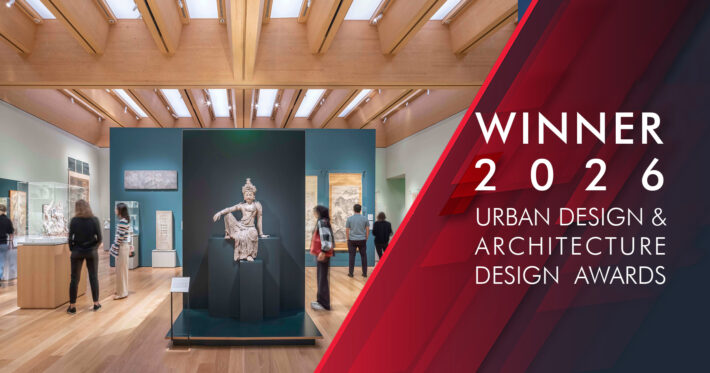
The Princeton University Art Museum transforms the traditional academic museum model into a dynamic cultural gateway at the heart of campus. It brings unprecedented access to the collection’s 117,000 works spanning 5,000 years of human creativity. The scope of work includes the installation of art across 80,000 square feet of exhibition space, a color palette, casework, interpretation, and layout. The presentation is a bold reimagining of how a teaching museum can serve both scholarly and public audiences. The display strategy encourages both deep dives into individual works and creates groupings that investigate broader cultural themes. More seminar than lecture as its underlying metaphor, the exhibitions invite visitors to look closely, interrogate assumptions, and find meaning within an open-ended framework. Thoughtful consideration of physical and environmental barriers, sightlines, lighting, and object placement creates a fluid path through the galleries, enhancing the pleasure—and agency—of serendipitous discovery. Artwork juxtapositions open dialogue and encourage critical thinking, modeling the inquiry-based learning that defines Princeton’s academic culture.
Urban Design & Architecture Design Awards 2027: Entries Open!
Take your work to the next level. Register Now…

Gold 🏆 Winner
Urban Design & Architecture Design Awards 2026
Princeton University Art Museum, Gallery installations
Exhibition Interior Design (Built)
Firm
Studio Joseph
Architect/Designer
Wendy Joseph
Design Team
Wendy Evans Joseph, Project Lead Monica Coghlan, Design Lead Jose Luis Vidalon, Project Manager Chris Spadazzi, Technical Lead Iganazio Gozalez, Designer Shriya Sanil, Designer Alice Tallman, Art Manager Sharon Li, Designer Brandon Studer, Graphic Designer Anthony Roy, Graphic Designer Farah Alkhoury, Designer Jinghuan Huang, Designer
Location
45 Elm Dr, Princeton, NJ 08544
Country
United States
Photographer/Copyright
©Photography Credits: Alex Fradkin Photography Other Credits: All drawings by Studio Joseph
Integrated Design Approach
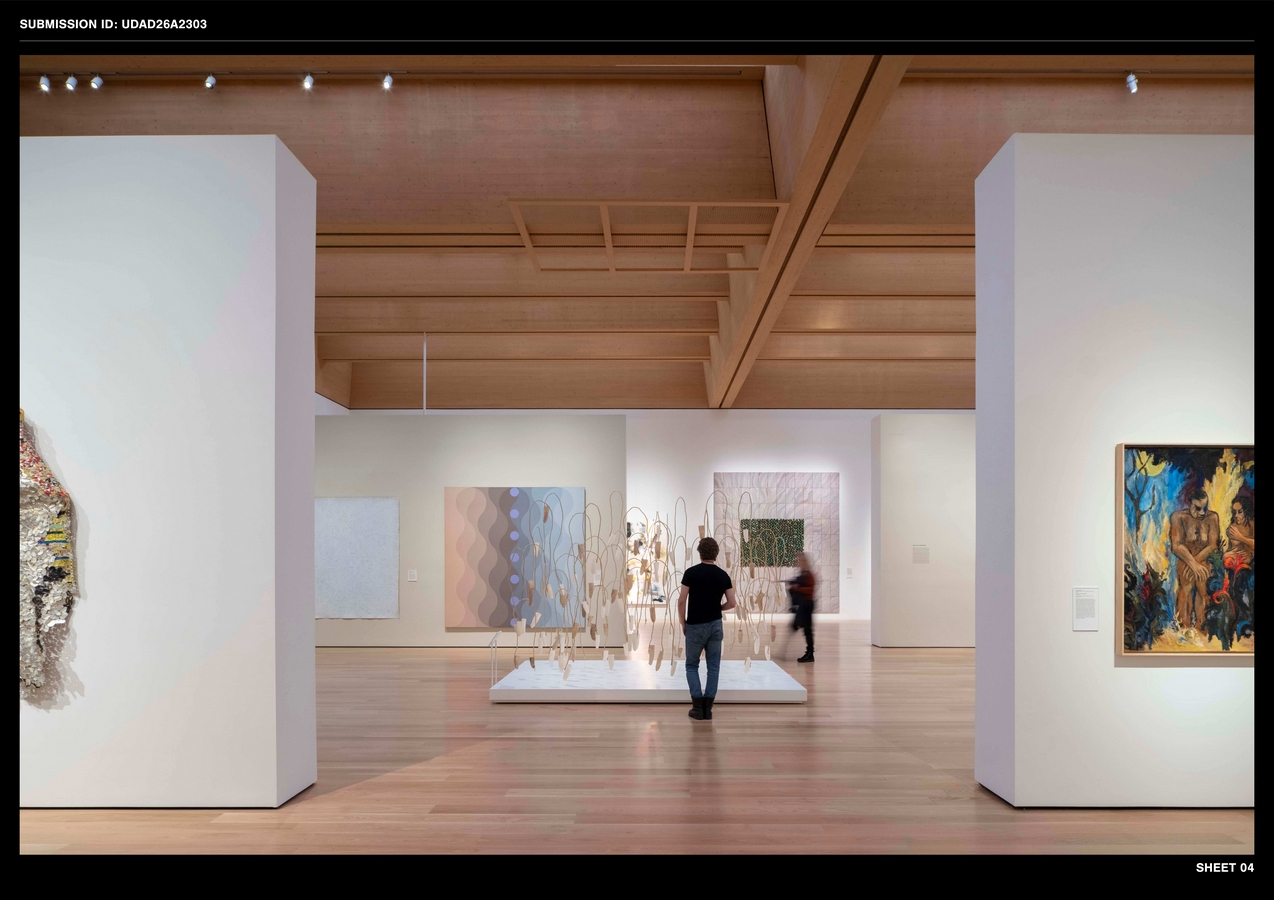
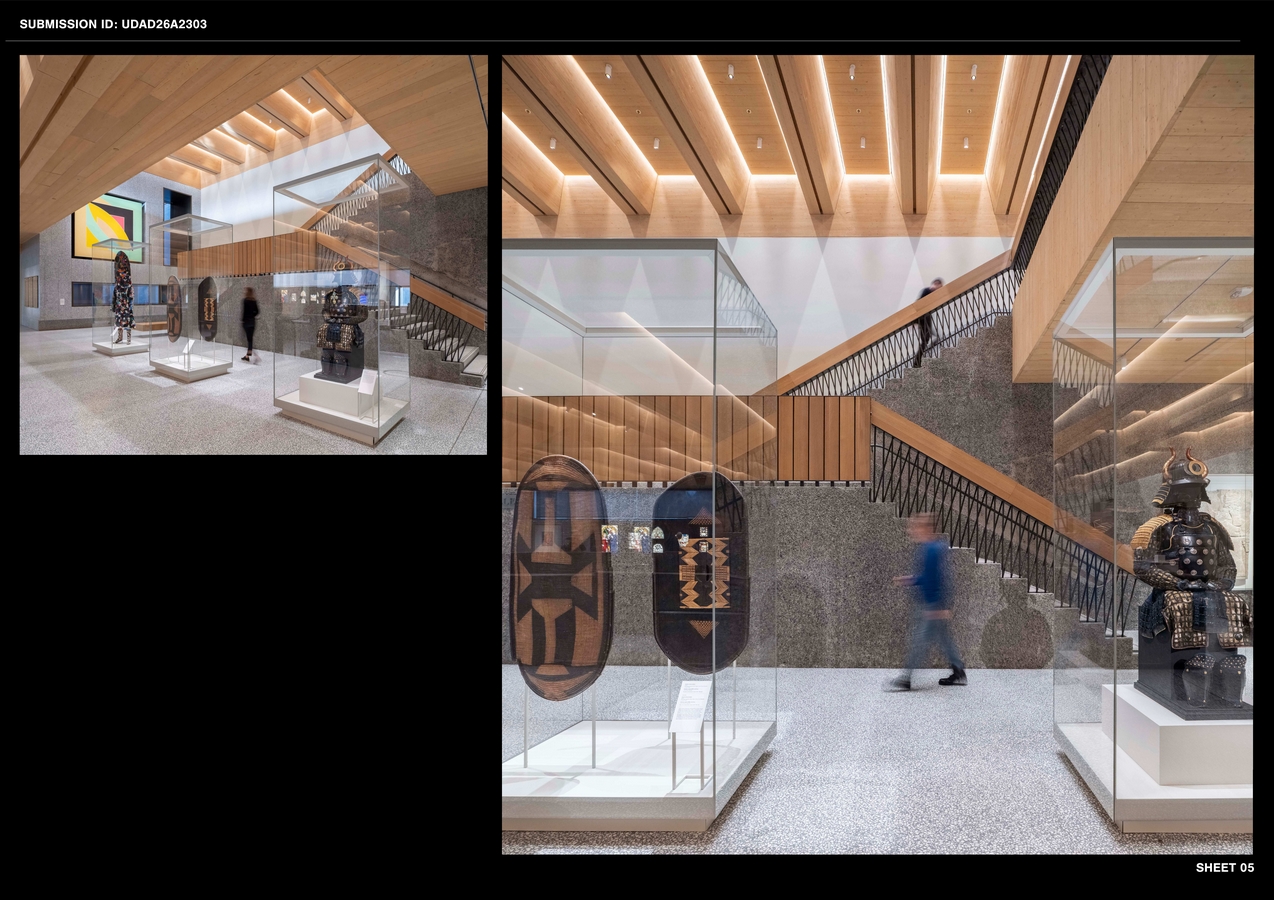
The galleries occupy a single level of the museum, with nine skylit pavilions linked by open plan areas. This plan configuration encourages cultural linkages over traditional geographical or chronological hierarchies.
The design process brought together stakeholders from curatorial, education, conservation, digital strategy, collections management, and installation departments. A cross-functional approach ensured careful consideration of conservation requirements and seamless integration of exhibition elements within the complex architectural framework. The design team created 3D models of over 6,000 artworks, enabling precise object layouts on walls and within casework. In conversation with curators, the design work involved finding meaningful connections between works. The result is a gallery design that centers the artworks while carefully considering their relationships and dialogue.
Casework, furniture, and display armatures
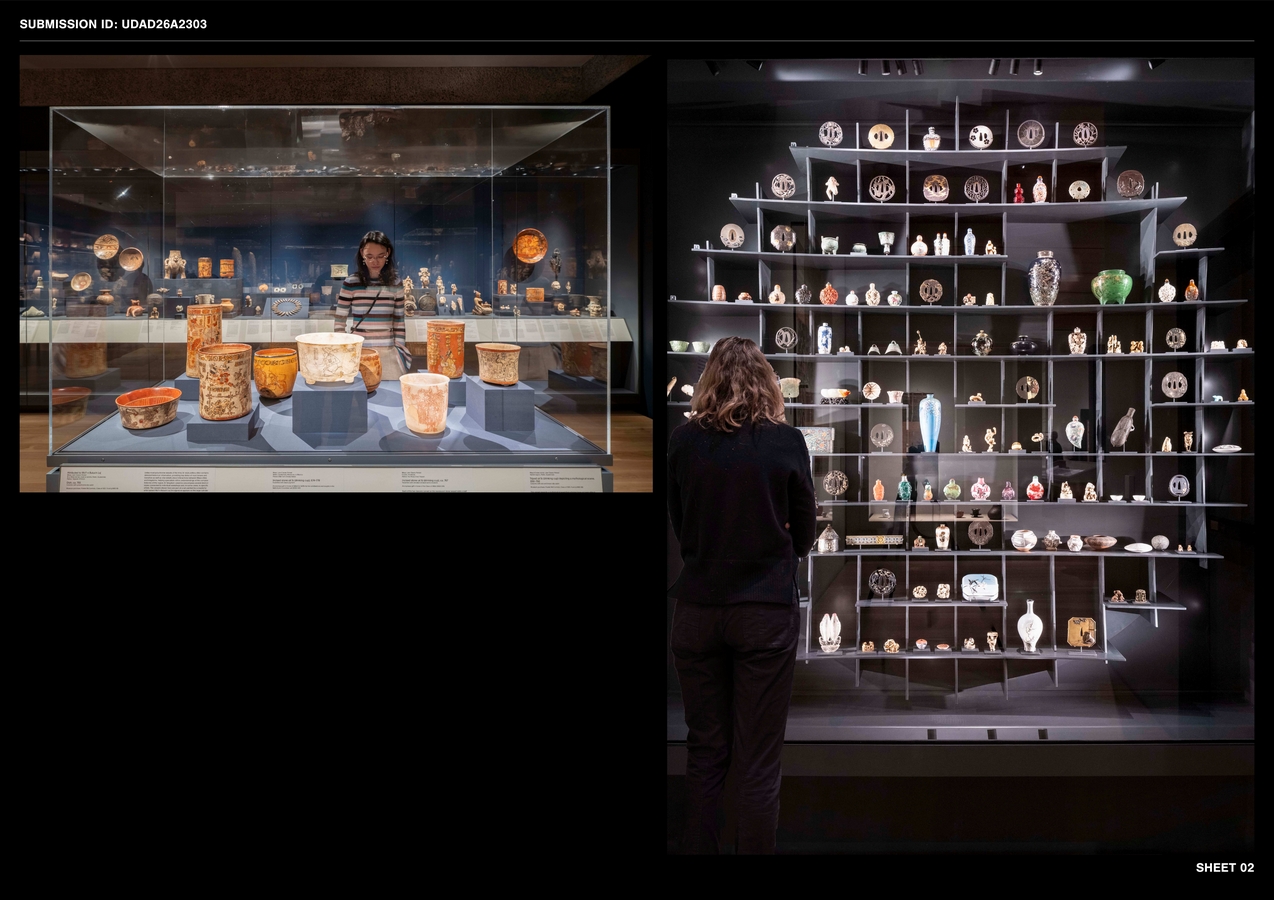
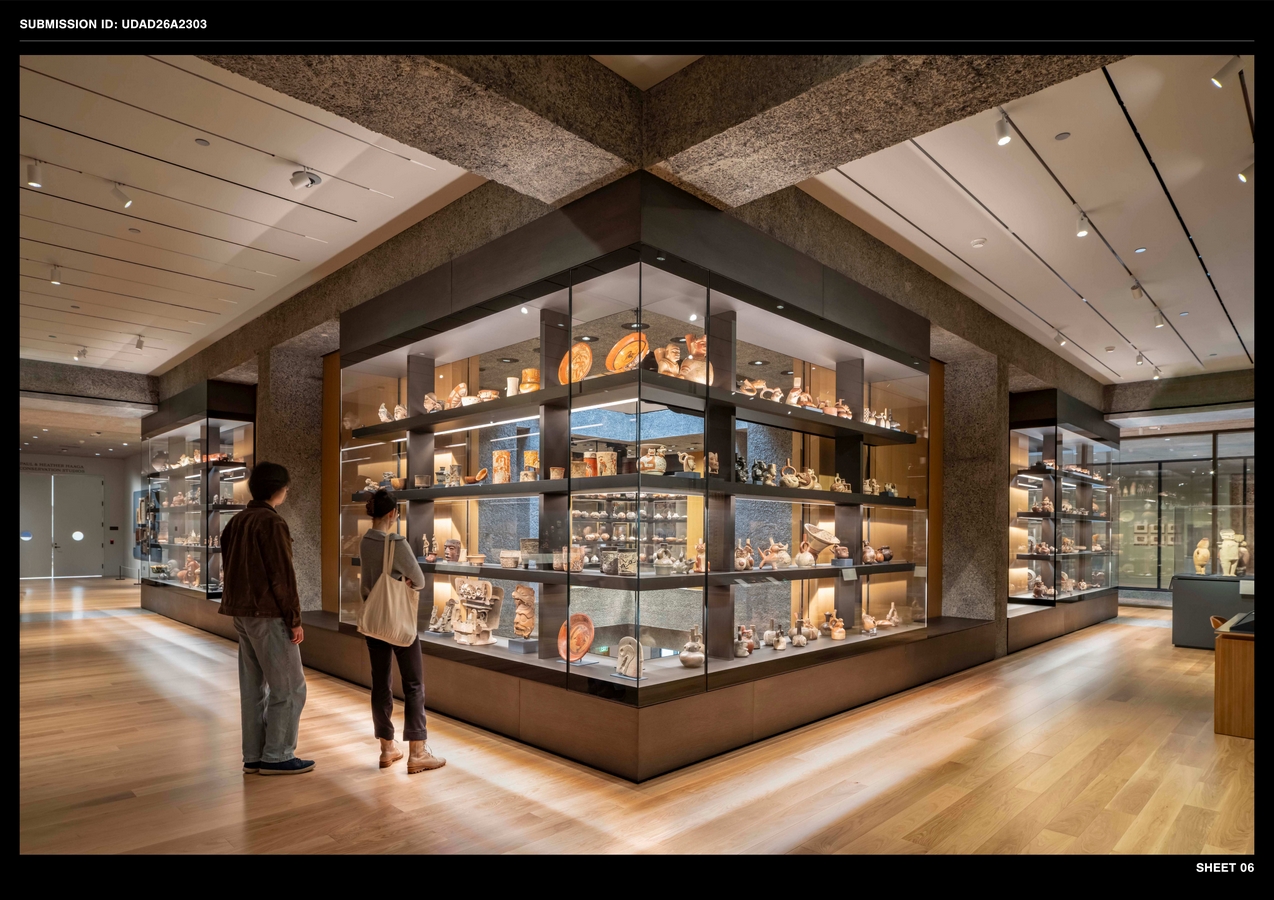
The installation includes a comprehensive typology of adaptable casework that serves both immediate display needs and future flexibility. This versatile system meets the best practices for high-conservation cases that protect sensitive works, while densely organized layouts dramatically increase the number of artworks on view. The casework detailing includes carefully dimensioned reveals between different materials, eliminates visible screws or attachments, and seamlessly integrates interpretation/labels close to artworks.
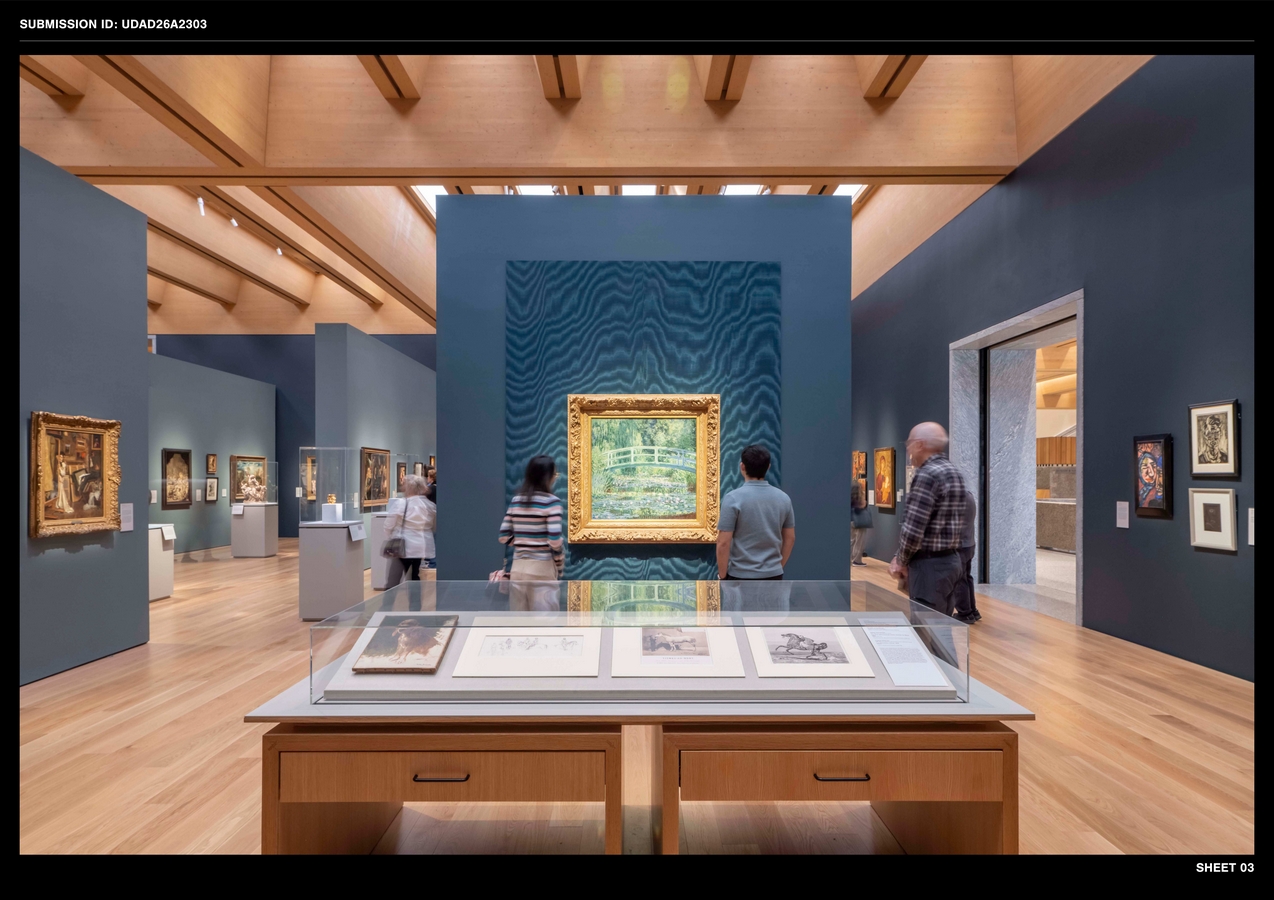
Given the diversity of artworks and the wide range of materiality, the exhibition casework suite includes a dozen types of display armatures with interrelated materiality, security, and conservation. In addition to large wall cases embedded into the architecture, there are close-viewing tables with integrated drawers that allow visitors to examine artifacts and serve as teaching moments, high-conservation cases with desiccant chambers, and simple vitrines that are easily accessed for frequent rotation. Materials include powder-coated metal, white oak, Oddy-tested fabrics, and bronze.
The color palette for walls and casework features cool blue and green shades to counter the warmth of the wood beams and floors. The palette varies from gallery to gallery, depending on the artwork and the curatorial narrative. This strategy also gives the visitors an opportunity to pace their visit and distinguish between cultures and geographies.