

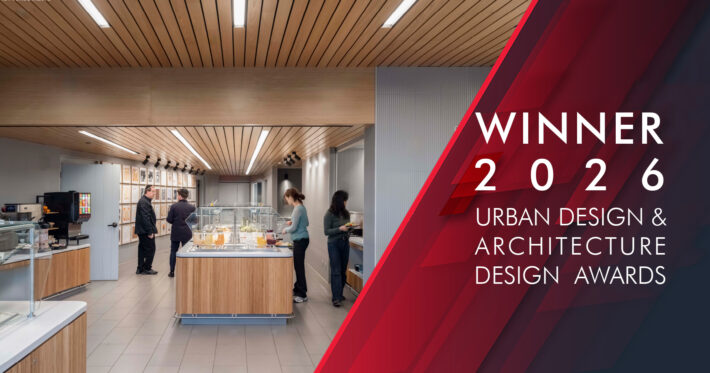
The Center for Jewish Life was built in the 1990s, a time when kosher food service was thought of as performative. The servery had limited space to accommodate diverse dietary needs, nor did it support significantly larger attendance on Sabbath and holidays. Low ceilings, a lack of windows, and limited cooking space reduced menu options.
Urban Design & Architecture Design Awards 2027: Entries Open!
Take your work to the next level. Register Now…

Gold 🏆 Winner
Urban Design & Architecture Design Awards 2026
Center for Jewish Life, Princeton
Educational Architecture
Firm
Studio Joseph
Architect/Designer
Wendy Evans Joseph
Design Team
Wendy Evans Joseph, Project Architect Alexios Bacolas, Project Manager Alexandra Adamski, Architect Felipe Colin, Designer Jingyuan Huang, Designer
Location
Center for Jewish Life Princeton 70 Washington Rd Princeton, NJ 08540
Country
United States
Photographer/Copyright
©Photography Credits: Alex Fradkin Photography Other Credits: All drawings by Studio Joseph
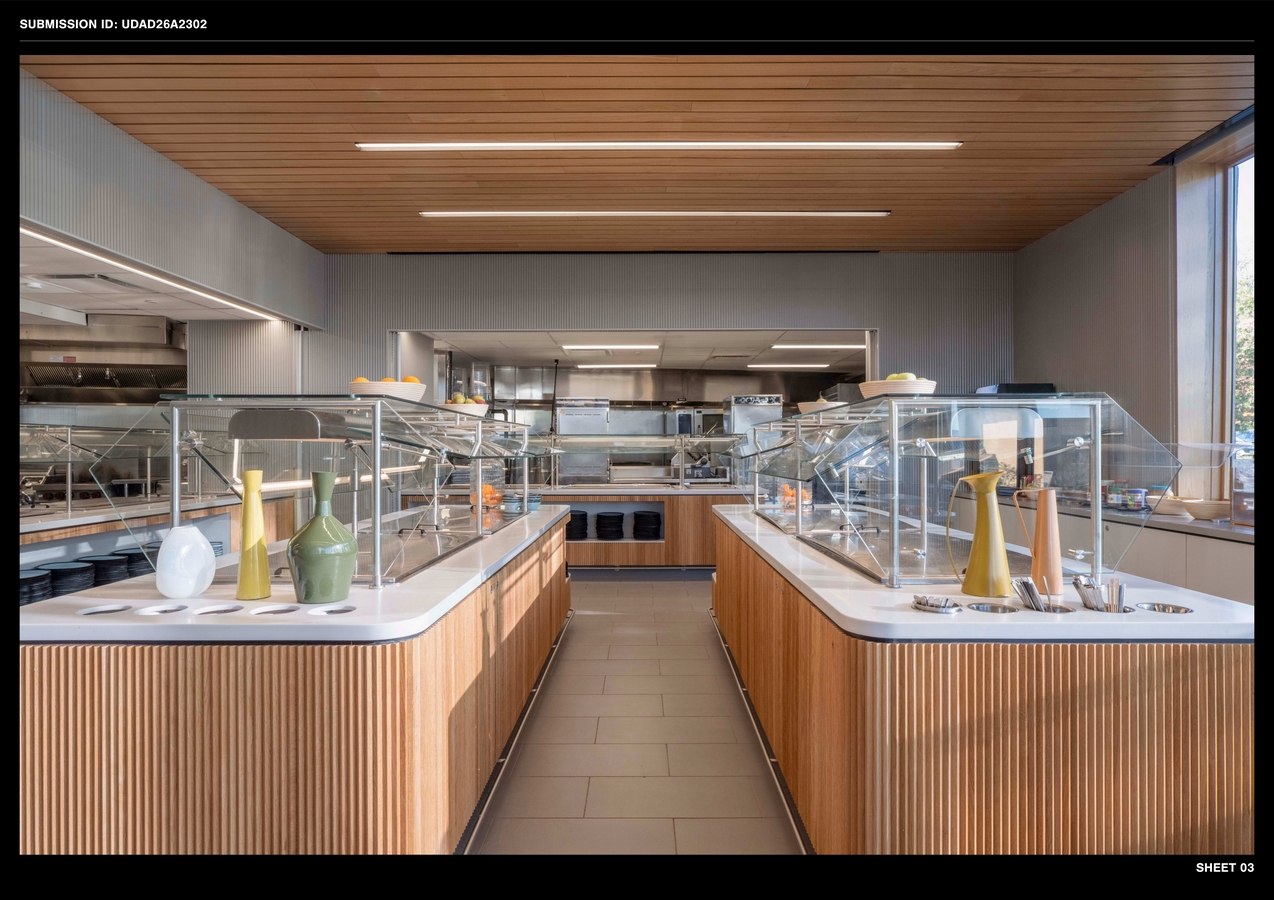
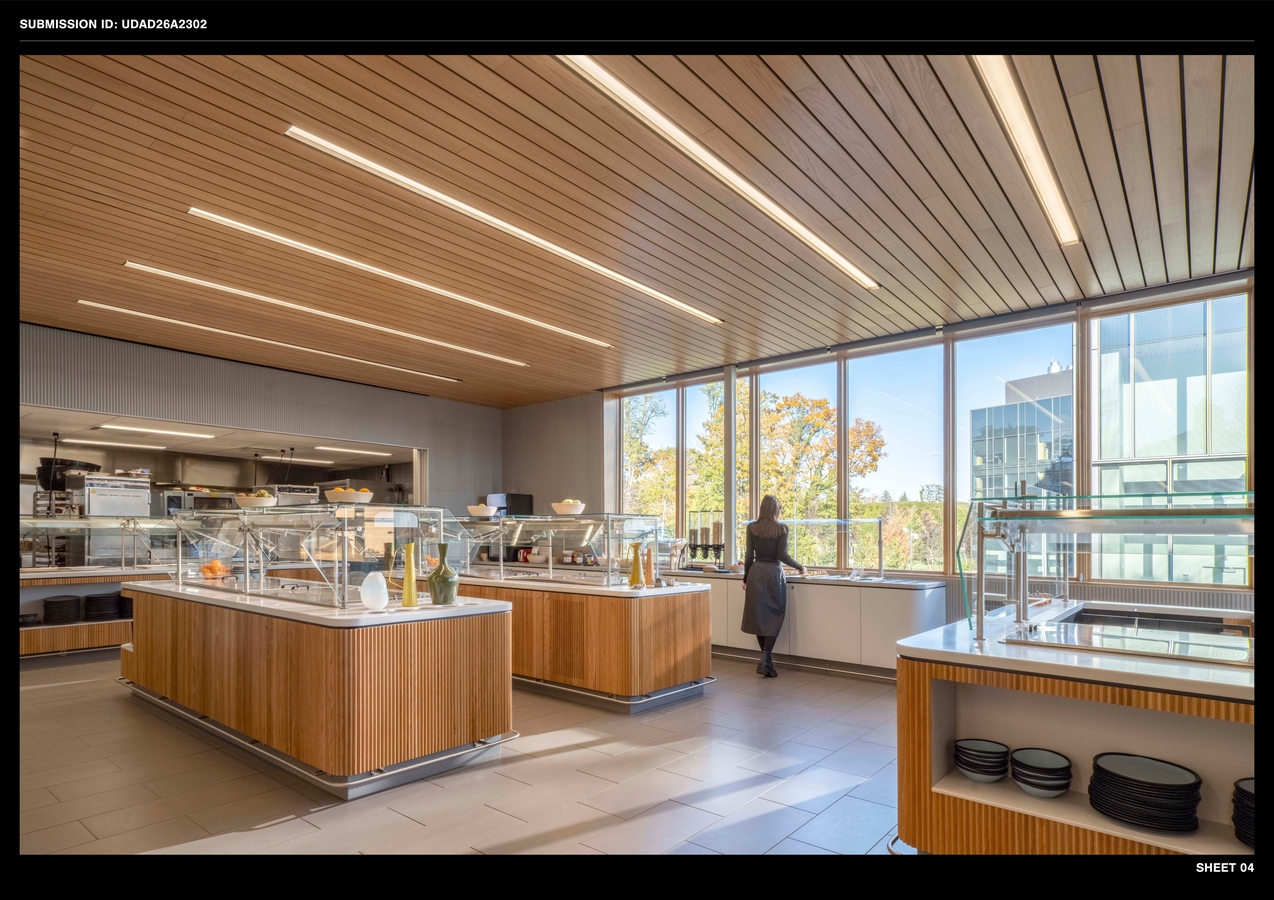
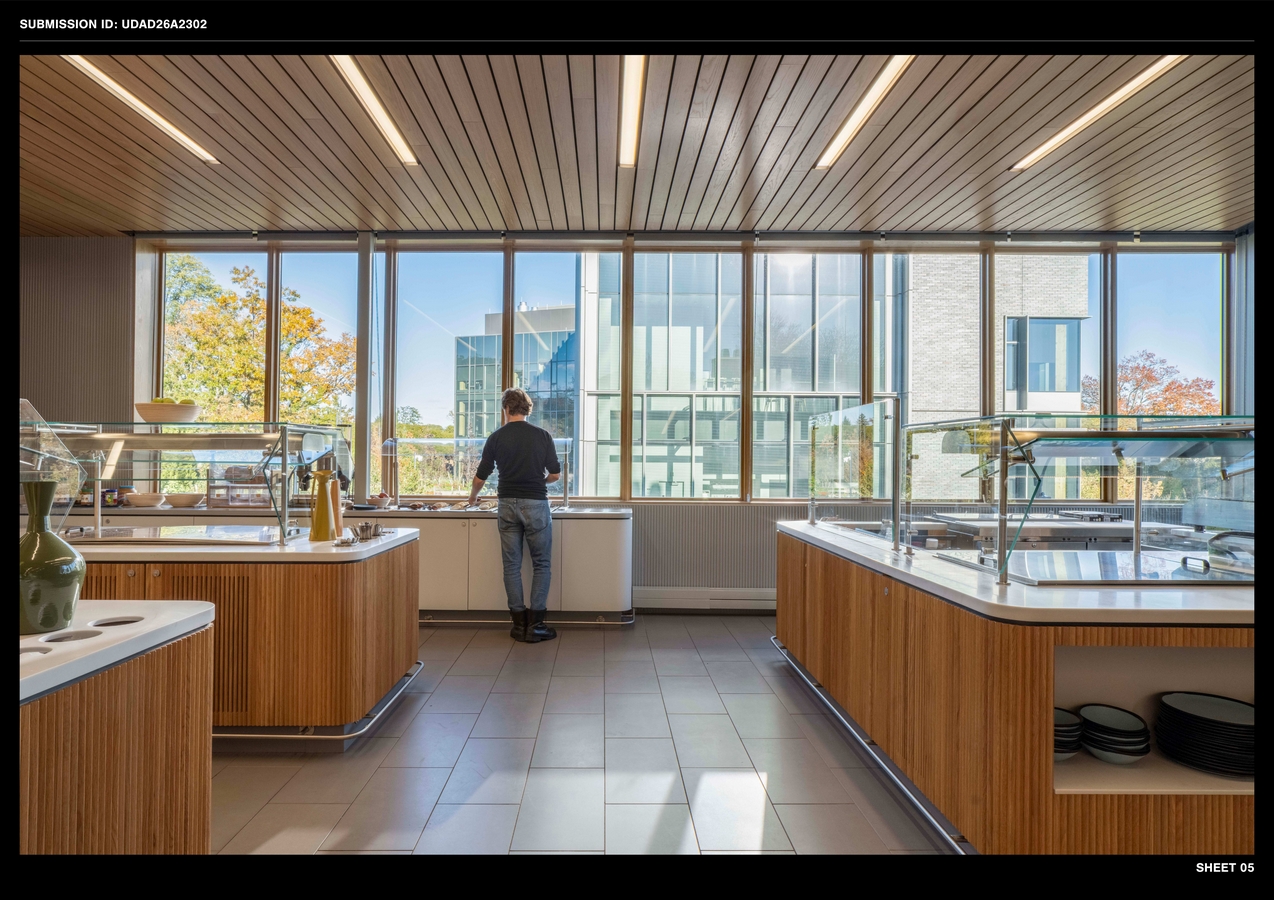
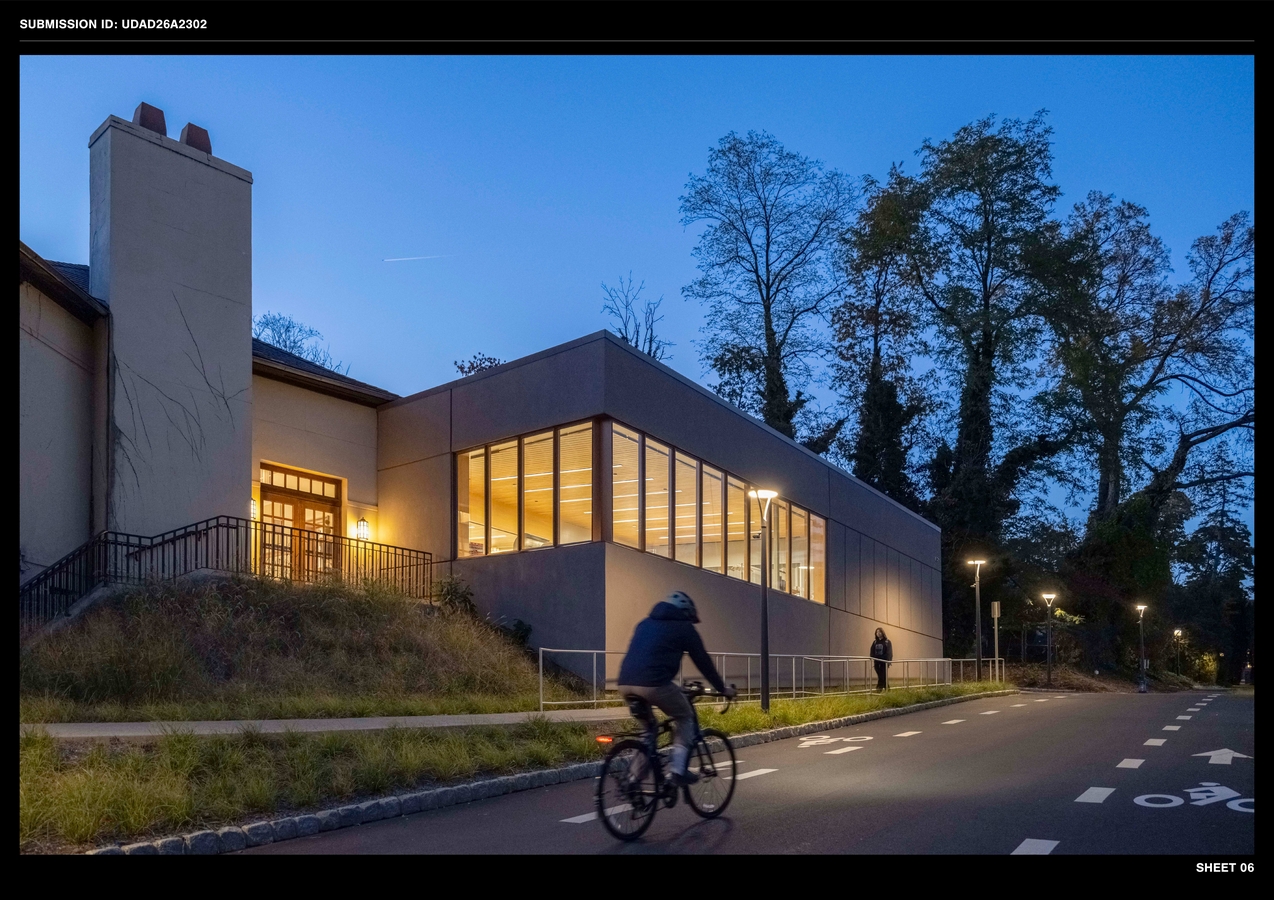
The Rabbi explained that the servery is more than just about food. It supports “tikkun olam”, a Hebrew phrase that translates to “repair the world.” Sharing a meal with others is a way to uphold traditions while strengthening community bonds. The facility adheres to the strictest “glatt kosher” guidelines and meets Islamic Halal requirements. Vegan, gluten-free, and lactose-free options are now available. These offering makes the space highly inclusive and create cross-cultural opportunities for social bonding. The design maximizes daylight and ceiling height, creating a warm, welcoming spirit that ensures everyone feels part of an extended family.
Process
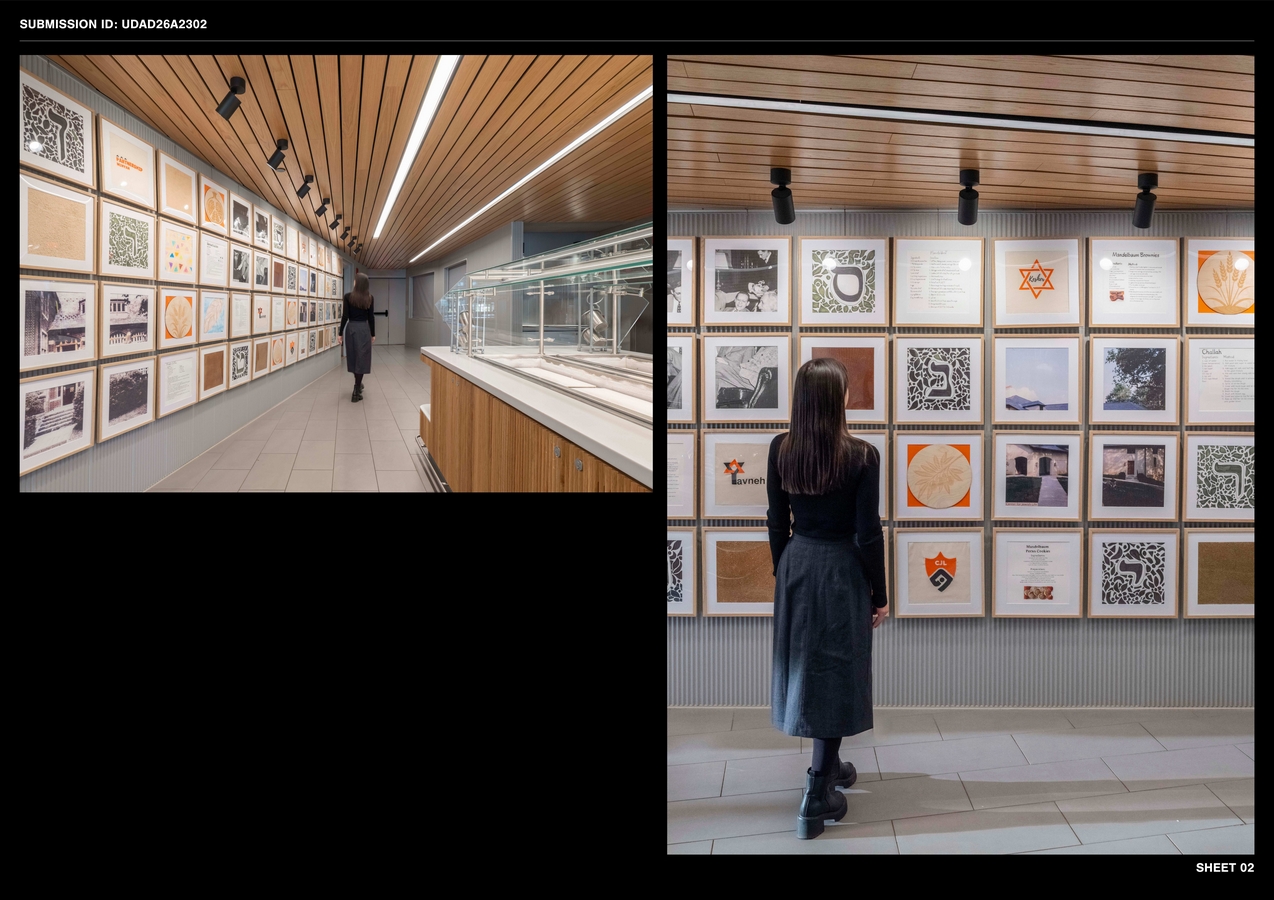
Before starting to design, the architectural team conducted Visioning Sessions. These involved students, staff, chefs, and the on-site rabbinical staff who ensure compliance with Jewish law. The discussion was open and inclusive. Issues discussed included the transition from dairy to meat, the need for separate cutlery and dishes, visitor flow, and layout. Flow was a major concern, so the layout came first. But beyond the practical, what was missing was the “soul of the place”. As part of bringing life to the design includes a “community gallery”, a place where everyone can share recipes, photos, and family memories with others.
Scope
The project includes the renovation and addition of approximately 1,500 sf. There are new mechanical systems, lighting, a check-in area, and an ADA restroom. There is a “pareve” kitchen (i.e., fruits, vegetables), expanded meat and dairy kitchens, and an “action station”. Outside, there is a new bioswale and eco-garden that requires no maintenance or water.
Materiality and Form
The layout improves circulation, avoiding lines and long waits, especially on the Sabbath and holidays. While adhering to strict cleaning requirements, the strategic use of wood and fluted ceramic tile walls adds texture. All serving surfaces can be “Kasherized” by cleaning them with a blowtorch.
The exterior of the addition is quiet and seamlessly detailed. The volume and shape maximize interior space and raise the ceiling by four feet. A soft brown color complements the wood detailing and stucco of the existing building. Copper mullions and a series of reveals bring life and modernity.
Outreach and Community
From Day One, the servery has seen a tremendous increase in the diversity and number of people coming for meals. The food selections, shorter wait times, the introduction of daylight, wood, and an open interface with the cook staff have made the experience much more pleasant. The Community Gallery includes over 50 vignettes that tell personal stories through collages of photos, history, and spices. The variety of memories and traditions helps bring everyone closer in an atmosphere of mutual respect and friendship.