

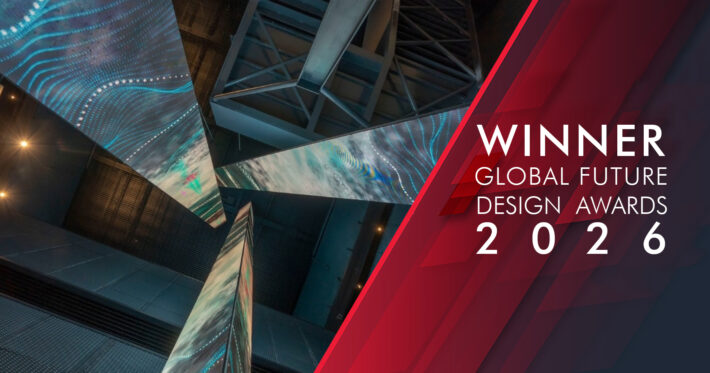
MUNET is a groundbreaking science museum located in Mexico City’s Bosque de Chapultepec, built on the site of the former Museo Tecnológico de la Comisión Federal de la Electricidad (CFE). The museum redefines how we engage with energy, technology, and sustainability, inviting visitors to explore the science behind energy in all its forms. The visitor experience unfolds across ten core thematic areas, brought to life through immersive, interactive environments that encourage continuous exploration and engagement.
Global Future Design Awards 2027 — Entries Now Open!
Take your creativity to the global stage and showcase your innovative ideas to the world. Celebrate exceptional design, gain international recognition, and become part of a new generation shaping the future of design.
Submit Your Work Today & Take Your Design Journey to the Next Level!

Gold 🏆 Winner
Global Future Design Awards 2026
Museo Nacional de Energía y Tecnología (MUNET)
Exhibition Interior Design Built
Firm
Ralph Appelbaum Associates
Architect/Designer
Ralph Appelbaum Associates
Design Team
Ralph Appelbaum Associates
Location
Mexico City, Mexico
Country
United States
Photographer/Copyright
©Acciona
Website/Social Media handles
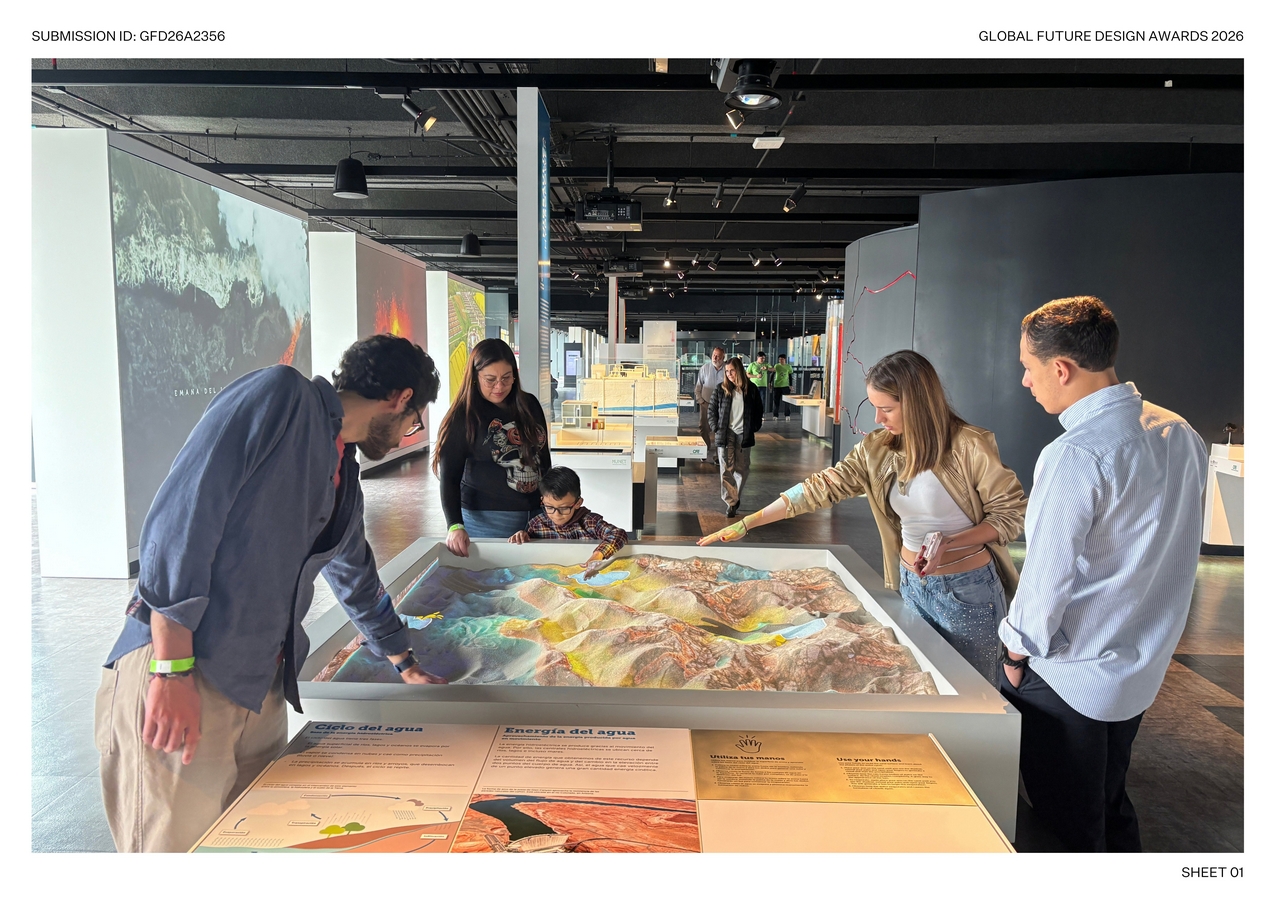
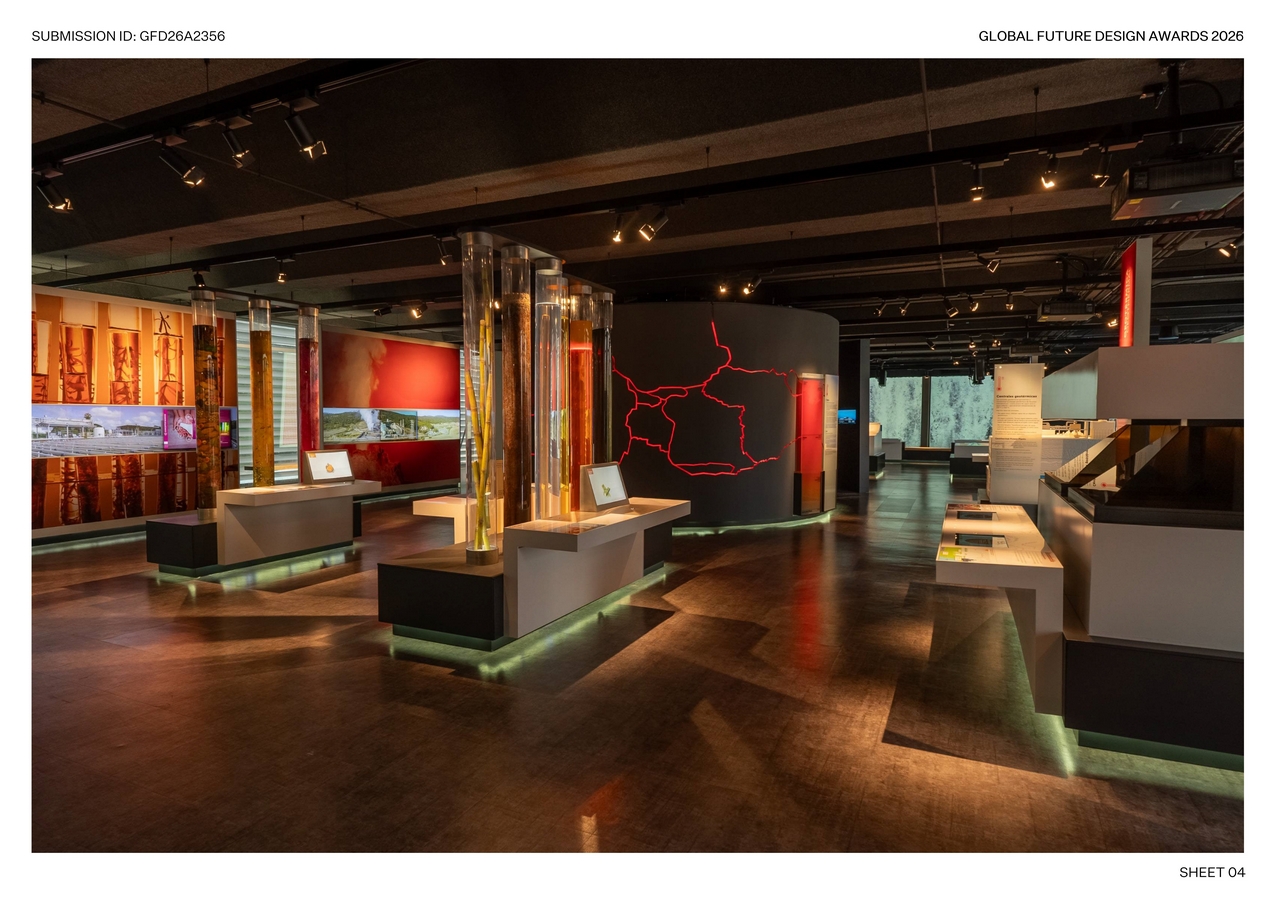
The museum’s primary goal is to engage young adults and children and inspire them to pursue careers in science, technology, and energy. The client also wanted to spotlight Mexico’s leadership in energy production, particularly in geothermal, wind, and hydroelectric power, while offering a balanced look at both renewable and non-renewable sectors.
The 9,000-square-meter building spans three floors, with 2,500 square meters of permanent exhibitions designed by RAA across the upper two levels. The heart of the museum is the Hall of Sustainability, a four-story central atrium anchored by three towering LED pillars representing themes like society and politics. Interactive kiosks let visitors build a personal profile, respond to sustainability prompts, and compare their answers with others, turning sustainability into a shared, museum-wide dialogue.
The first exhibit floor introduces energy fundamentals: visitors can look inside a working motor, watch a Tesla coil, and explore magnetism through a pinball-style “roller coaster” interactive. The Electricity Hall lets visitors pedal bicycles to generate enough power to charge a phone or run a toaster. This floor also covers non-renewables through an interactive oil platform and a nuclear zone with a radioactivity scanner and control-rod game.
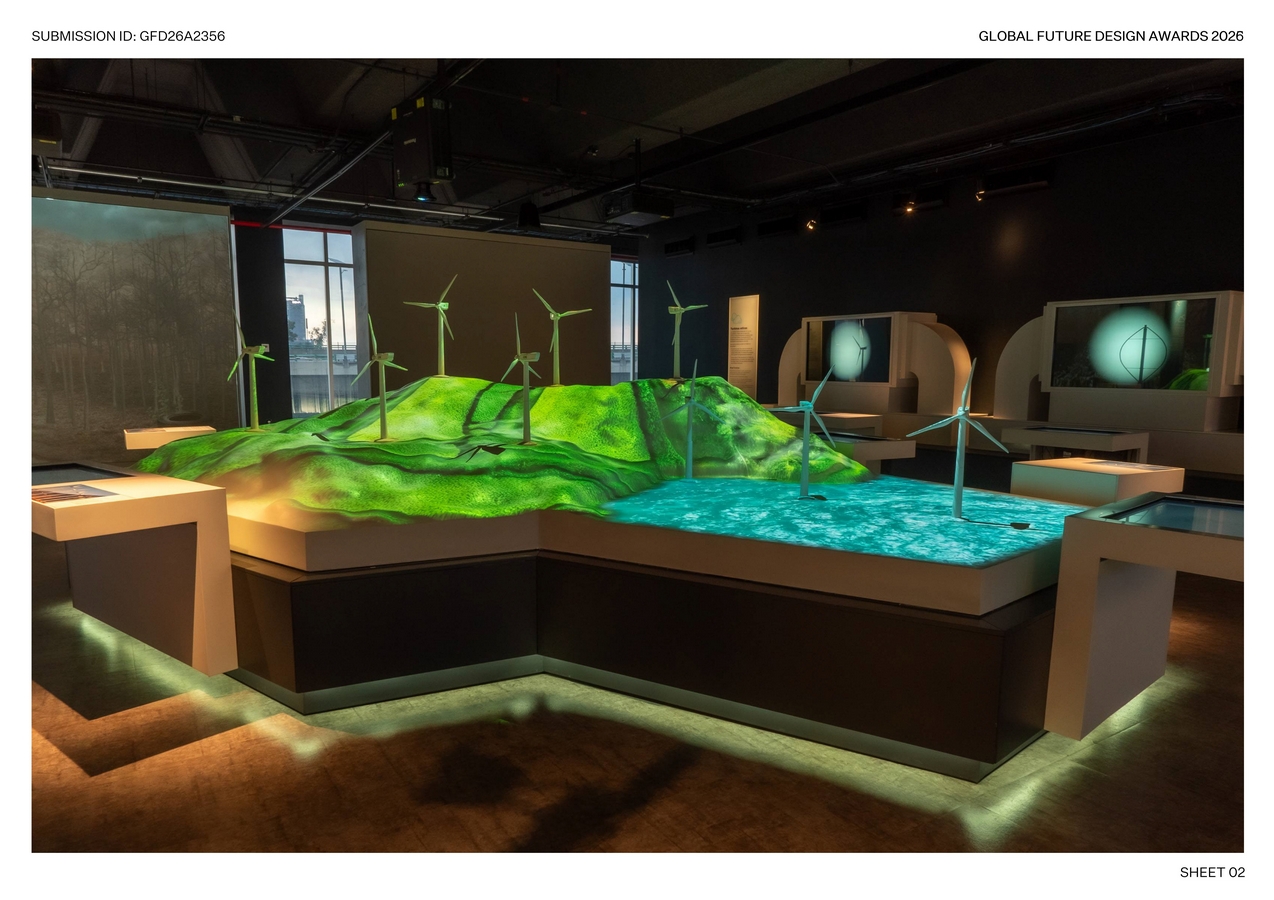
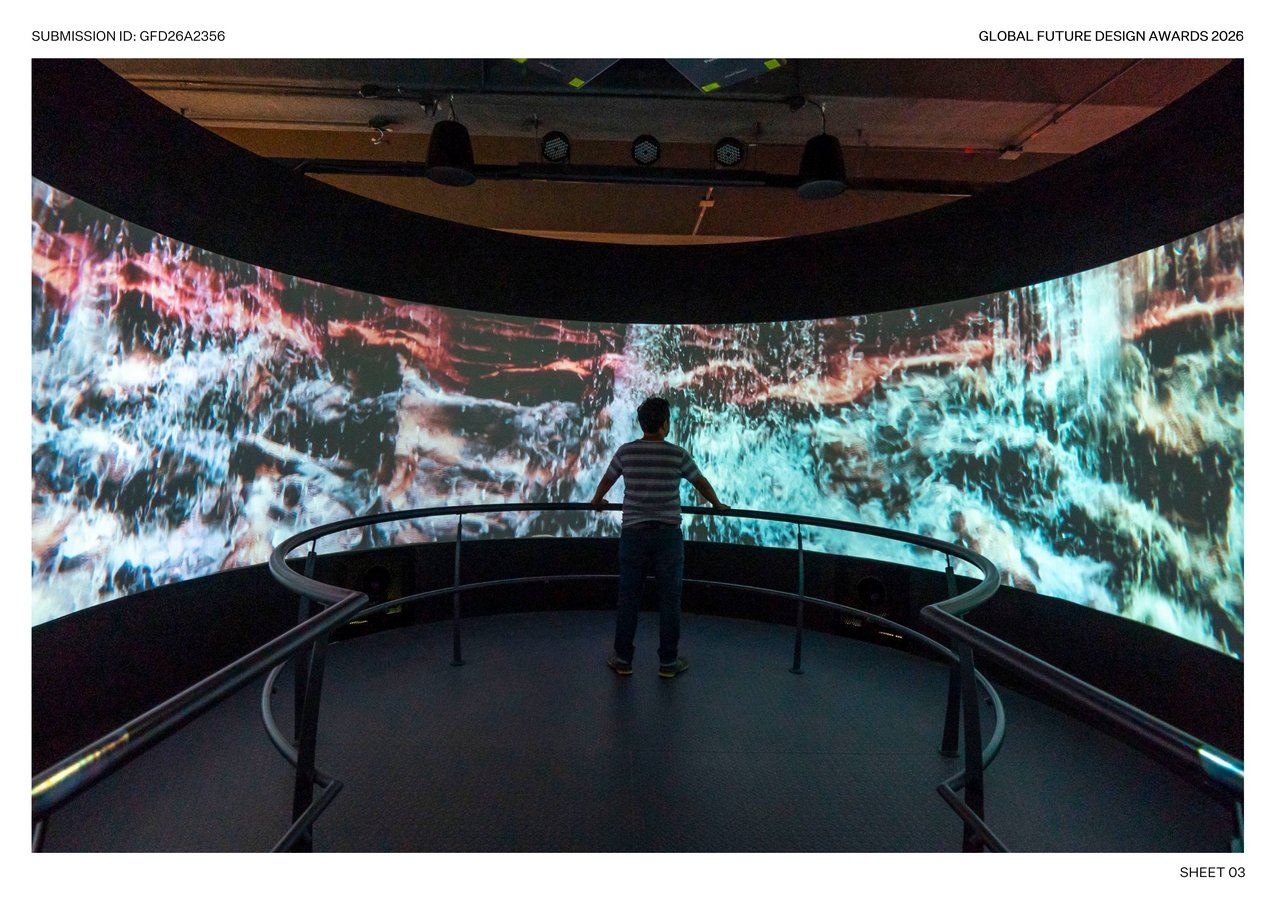
The top floor explores solar, wind, hydro, geothermal, and biofuel energy, including a Biofuels Lab, an immersive geothermal mini-theater simulating a descent into the earth, a hybrid wind turbine simulator, and a model solar-powered city. Throughout the galleries, twenty large screens offer deep-dive content, periodically synchronizing with the atrium’s LED pillars into a single cinematic sequence. In total, the museum offers 116 simultaneous interactivity opportunities across 60 interactives, 33 linear media productions, and 16 models.
RAA adopted a modular, minimalist design approach built for durability, since the exhibits would see heavy use by school groups. Interactives were constructed from sturdy steel finished in automotive paint for easy repair. RAA pushed exhibits beyond standard touchscreens, blending physical models with digital overlays and augmented reality to make complex science tactile and engaging. Custom 3D-printed models made invisible phenomena visible, and monumental gradient graphic panels formed corridors that controlled natural light in the all-glass building while guiding the visitor journey.
The result is a museum that translates complex, often invisible energy concepts into hands-on, memorable experiences. RAA’s modular and minimalist design approach has helped MUNET age well despite years of delays between planning and opening, keeping its aesthetic and interactives feeling fresh for the next generation of visitors.
Follow us on